
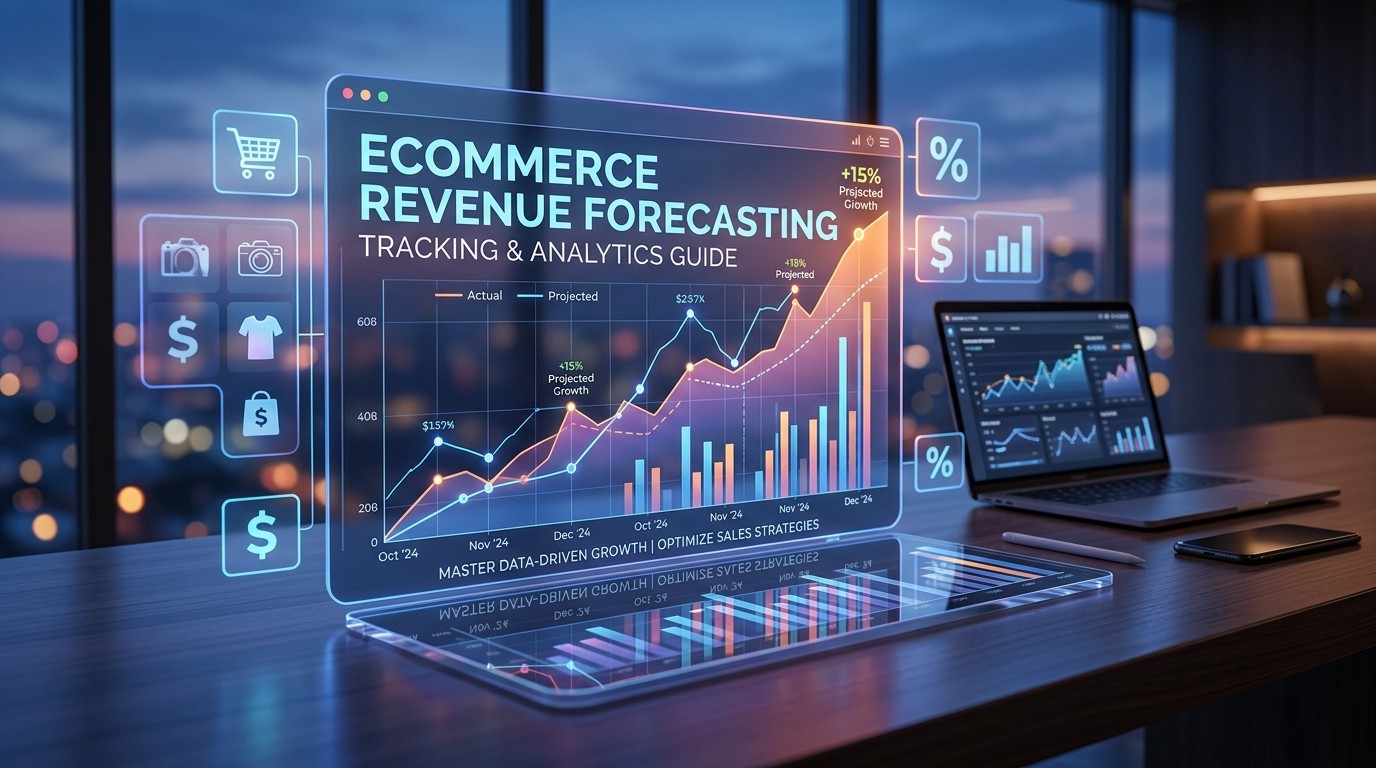
A practical guide to predicting sales, improving visibility, and aligning data, teams, and decisions around clearer growth expectations, stronger planning, calmer execution, and more confident revenue management.
this forecasting system gives ecommerce leaders a way to turn scattered numbers into decisions they can actually use. It connects traffic, conversion, order value, repeat purchase behavior, and seasonality into one growth picture.
For many stores, uncertainty is the real problem. Owners do not just want more reports. They want confidence. They want to know what will happen next month, where revenue may stall, and which channels deserve more investment. this forecasting system helps replace guesswork with a repeatable operating rhythm.
The best forecasting systems are not built only for analysts. They are built for decision-makers who need simple answers. That is why this forecasting system matters so much: it helps teams act earlier, spend smarter, and protect margin before problems become visible in the bank account.
Why forecasting matters in ecommerce
Most ecommerce businesses experience growth in waves, not in a straight line. Demand shifts with promotions, holidays, ad costs, inventory levels, and customer sentiment. this forecasting system helps businesses recognize those patterns early enough to respond before they lose momentum.
Forecasting also changes how teams think about risk. When leaders can estimate likely revenue outcomes, they make calmer decisions about hiring, inventory, and marketing spend. this forecasting system is valuable because it turns a reactive business into a more planned one.
A good forecast does not promise perfection. It creates a range of expectations. That range helps leaders prepare for good, average, and weak scenarios. this forecasting system becomes a planning tool instead of just a report.
The foundation : clean inputs
Forecasting only works when the underlying data is trustworthy. If orders, sessions, refunds, and attribution are inaccurate, the forecast becomes distorted. Ecommerce Data Accuracy Tracking Analytics is essential because even the most advanced model cannot fix broken inputs.
Teams often underestimate the role of measurement hygiene. They assume the problem is the model when the real issue is tracking setup. this forecasting system depends on consistent event definitions, correct tagging, and a shared understanding of what counts as revenue.
A clean foundation also makes communication easier. When the same definitions are used by marketing, finance, and operations, fewer arguments happen about the numbers. this forecasting system works best in organizations that value precision over vanity metrics.
Core metrics that matter

The most useful forecast starts with a handful of metrics that describe the customer journey clearly. Traffic volume, conversion rate, average order value, repeat purchase rate, and refund rate all shape how revenue evolves. this forecasting system becomes more practical when these drivers are watched together.
Traffic alone can mislead. A store may get more visits but fewer conversions. Conversion alone can also mislead if basket size shrinks. this forecasting system is stronger when the forecast model looks at the full funnel rather than a single indicator.
Retention matters too. Repeat buyers often create stability that new-customer revenue cannot. Forecasting should not ignore cohort behavior, subscription renewals, or seasonal repurchase cycles. this forecasting system is most accurate when it reflects how customers actually behave over time.
Time horizons and planning
Short-term forecasts help with daily and weekly execution. Longer-term forecasts help with budgeting, hiring, and inventory. this forecasting system should support both, but each horizon needs its own assumptions and level of detail.
A weekly forecast can respond to campaign changes quickly. A quarterly forecast can help leadership judge whether the growth plan still makes sense. this forecasting system becomes more useful when the business uses one model for operations and another for strategic planning.
The best teams do not treat forecasts as fixed truth. They update them as new information arrives. That habit makes this forecasting system a living process rather than a static spreadsheet.
Channel behavior and attribution
One major reason forecasts go wrong is that different channels behave differently. Paid search, paid social, email, affiliate, organic search, and direct traffic do not convert the same way. Ecommerce Multi Channel Tracking Analytics helps teams understand how each channel contributes to revenue under real conditions.
If attribution is incomplete, one channel may appear weaker or stronger than it really is. That distortion makes planning harder. this forecasting system becomes far more credible when the team can see how revenue is distributed across channels.
Channel-level forecasting also supports budget decisions. If one acquisition path consistently produces higher-value buyers, it deserves more attention. this forecasting system gives teams the evidence they need to shift spend with confidence.
Seasonality and demand shifts
Ecommerce is highly seasonal. Holidays, weather, product cycles, and promotions all affect buying behavior. this forecasting system should account for these swings instead of pretending demand is evenly distributed across the year.
Many stores forget that seasonality affects more than sales. It affects traffic quality, shipping speed, support volume, and cash flow pressure. this forecasting system is useful because it helps leaders prepare for operational strain before it appears.
Seasonality should also be compared against the business’s own history, not just broad industry averages. Every store has its own rhythm. this forecasting system works best when historical patterns are used as the baseline for comparison.
Forecasting models and practical logic
Not every business needs a complex model. Some stores do well with simple trend-based forecasting, while others need cohort analysis, regression, or scenario planning. this forecasting system is most effective when the model matches the size and maturity of the business.
A simple forecast may start with current traffic, conversion rate, and average order value, then project forward. A more advanced forecast can layer in campaign effects, channel mix, and seasonal variation. this forecasting system becomes more reliable as the assumptions become clearer.
The model should be transparent enough that people trust it. If no one can explain how the forecast works, no one will rely on it. this forecasting system should be understandable by both technical and non-technical teams.
Accuracy and trust
No forecast is perfect, but some are much better than others. The goal is not to predict every number exactly. The goal is to reduce error enough that the business can make better choices. Ecommerce Data Accuracy Tracking Analytics supports that goal by keeping the measurement layer consistent.
Teams should track forecast error over time. If the model regularly overestimates or underestimates revenue, it needs adjustment. this forecasting system improves when the business treats accuracy as a performance metric, not a one-time setup task.
Trust also grows when the forecast is updated honestly. People accept uncertainty more easily when the assumptions are visible. this forecasting system becomes more credible in organizations that communicate ranges, not false certainty.
Multi-channel complexity
Modern ecommerce buyers move between ads, search, email, marketplaces, social proof, and repeat visits. Ecommerce Multi Channel Tracking Analytics helps teams handle that complexity instead of forcing every sale into one channel story.
A customer may click a social ad, leave, search later, and purchase through email. If the business only credits one touchpoint, the forecast may understate the role of the others. this forecasting system is more useful when it reflects multi-touch behavior.
That matters because channel interaction affects revenue timing. A campaign may create demand today and conversion later. this forecasting system helps leaders understand the delay between exposure and purchase so they can plan more realistically.
Communication between teams
Forecasting is not only an analytics problem. It is a communication problem. Teams need to agree on what the numbers mean and what action they justify. Marketing Business Communication Strategy matters because a forecast only creates value when people can discuss it clearly.
Marketing, finance, operations, and leadership often read the same data differently. A strong communication process reduces that friction. this forecasting system helps when everyone knows whether the question is “What happened?” or “What should we do next?”
Communication should also be visual. Dashboards, summaries, and scenario charts make it easier to explain revenue movement without drowning people in details. this forecasting system becomes more actionable when the story is simple and direct.
Integrated planning across functions

Forecasting becomes more powerful when marketing, operations, and finance are aligned. Integrated Marketing Communications supports that alignment by making the message, timing, and expected outcomes feel consistent across the organization.
If marketing is running a promotion while operations is not ready for volume, the forecast becomes misleading in practice. this forecasting system helps connect those teams so the revenue estimate reflects real execution capacity.
Integrated planning also reduces internal surprises. When people see the same assumptions, they can plan inventory, staffing, and customer support with better timing. this forecasting system works best when it sits inside a broader planning discipline.
Data quality controls
Bad data creates bad decisions. That is why Ecommerce Data Accuracy Tracking Analytics is so important. It helps the team verify that the right events are being captured, the right revenue is being counted, and the right channels are being measured.
Data quality should be checked regularly, not only during setup. Missing tags, duplicate events, refund mismatches, and delayed uploads can all distort the revenue story. this forecasting system becomes stronger when the data pipeline is monitored like a business asset.
A useful habit is to compare platform numbers with financial records. If the variance is too large, the team should find the cause quickly. this forecasting system should never become a comfort blanket for unreliable reporting.
Scenario planning
A forecast becomes more useful when it shows more than one possible future. A base case, upside case, and downside case help leaders prepare for different outcomes. this forecasting system is most practical when it supports scenario thinking.
Scenario planning is especially useful during promotions, product launches, and uncertain market periods. If conversion falls or ad costs rise, the business can react faster because the forecast already shows what downside looks like. this forecasting system reduces panic by making risk visible.
The same logic applies to inventory and cash flow. Leaders can see how different revenue paths affect operations. this forecasting system helps the business stay steady under changing conditions.
Forecasting for growth decisions
Hiring, inventory, creative production, and budget allocation all depend on expected revenue. this forecasting system helps decision-makers avoid moving too early or too late.
A business that forecasts too optimistically may overspend and strain cash flow. A business that forecasts too conservatively may underinvest and miss growth opportunities. this forecasting system gives leaders a middle path based on evidence instead of instinct alone.
Good growth planning also depends on timing. Revenue may lag behind acquisition efforts. this forecasting system helps teams understand when investment should happen and when results should reasonably appear.
Reporting habits that help
Consistent reporting improves clarity. Weekly reviews help the team spot sudden changes. Monthly reviews help them see broader trends. this forecasting system should be part of both rhythms.
The report should be short enough to read and detailed enough to explain. Too much noise makes people ignore the numbers. this forecasting system works best when the report highlights a few important drivers rather than every available metric.
Every report should answer three questions: what changed, why it changed, and what the team should do next. this forecasting system becomes more valuable when it leads directly to action.
Forecasting mistakes to avoid

One common mistake is depending on last month’s total revenue without asking what caused it. That can hide the real drivers. this forecasting system should be tied to variables, not just totals.
Another mistake is mixing forecast and actuals without clear labels. That makes it hard to see whether the model is improving. this forecasting system should always be evaluated against actual performance.
A third mistake is ignoring refunds, discounts, and cancellations. Revenue is not the same as gross sales. this forecasting system is more honest when it reflects the real business outcome.
How to build a forecast routine
Start with historical performance and the main growth drivers. Then set a review cadence. Update the forecast when campaigns, traffic, or conversion behavior changes. this forecasting system is strongest when the process is routine.
The team should agree on who owns the numbers and who approves assumptions. That avoids confusion later. this forecasting system becomes easier to trust when the process is transparent and repeatable.
Over time, the forecast should become part of everyday management. It should inform spending, staffing, planning, and communication. this forecasting system is most effective when it shapes decisions before problems appear.
Practical example logic
Imagine a store that sells seasonal apparel. Traffic rises before a holiday, conversion improves on mobile, and average order value increases when bundles are promoted. this forecasting system can combine those signals into one working estimate.
Now imagine that ad costs rise while email revenue stays steady. The forecast can show whether the promotion is still profitable. this forecasting system helps leaders decide whether to keep spending, change creative, or shift inventory.
The point is not to eliminate uncertainty. The point is to reduce surprise. this forecasting system gives the team a structured way to think about future performance.
Leadership and accountability
Forecasting is also a leadership habit. Managers need a shared language for risk, growth, and timing. When the team uses Integrated Marketing Communications well, people spend less time arguing over numbers and more time improving execution.
Leadership should model honesty about uncertainty. Forecasts are more trusted when leaders admit assumptions and update them responsibly. this forecasting system grows stronger inside organizations that value learning over ego.
That accountability improves morale too. People feel calmer when expectations are clear. this forecasting system gives the business a way to talk about performance without panic.
Continuous improvement
Forecasting gets better through repetition. Every month provides new data, new patterns, and new lessons. this forecasting system should be reviewed, tuned, and refined rather than left untouched.
As the business matures, the model may need more variables or more granular segments. That is normal. this forecasting system becomes more useful as the business learns what truly drives revenue.
The long-term benefit is not just better prediction. It is better management. this forecasting system helps the business make faster, steadier, and more informed choices.
Operating cadence and review rhythm

A strong revenue process is not only about prediction. It is also about rhythm. The best teams set a fixed moment each week to review traffic, conversion, campaign performance, and inventory pressure. That routine keeps the business from waiting until the end of the month to discover problems that started days earlier.
A useful review session begins with actual results, then compares them against the plan, then asks what changed. The goal is not to blame one team or one channel. The goal is to identify the driver that matters most right now. Maybe traffic quality changed. Maybe checkout friction increased. Maybe a promotion pulled forward demand. A good review process makes those signals visible quickly.
The same cadence should include decision ownership. Someone should be responsible for updating assumptions, someone should validate the data, and someone should approve major changes to spend or inventory. When accountability is clear, the forecast becomes easier to trust.
Over time, this rhythm creates institutional memory. The business learns which signals matter most in different seasons, which channels create the strongest buyers, and which campaigns produce temporary spikes rather than durable growth. That knowledge improves planning far beyond a single report.
Conclusion
Strong ecommerce forecasting is not about chasing a perfect prediction. It is about building a reliable decision system that helps the business see patterns early, react with confidence, and plan with fewer surprises. When data quality is strong, teams trust the numbers more easily. When channel behavior is understood, budgets move with greater precision. When communication is clear, the forecast becomes a shared tool instead of a private spreadsheet. Over time, that discipline improves inventory planning, marketing efficiency, cash flow control, and leadership confidence. The result is a business that can grow with more control and less guesswork. Consistency turns forecasting into a management habit rather than a monthly task.
Frequently Asked Questions (FAQ)
1. What is revenue forecasting in ecommerce?
It is the process of estimating future sales based on historical data, current trends, and key business drivers.
2. Why is data accuracy so important?
If the source data is wrong, the forecast will also be wrong, even if the model is advanced.
3. How often should a forecast be updated?
Most teams benefit from weekly or monthly updates, depending on how quickly their business changes.
4. What metrics matter most?
Traffic, conversion rate, average order value, repeat purchase rate, refunds, and channel performance are the most useful starting points.
5. Do small stores need forecasting?
Yes. Even simple forecasting helps small teams plan spending, inventory, and growth more confidently.
6. What causes forecasting errors?
Common causes include poor tracking, channel attribution issues, seasonality, refunds, and sudden campaign changes.
7. Should forecasts include best and worst cases?
Yes. Scenario planning makes the business more prepared and less vulnerable to surprises.
8. How do teams use forecasting in planning?
They use it to guide marketing budgets, staffing, inventory purchases, and cash flow decisions.
9. What is the difference between revenue and profit forecasting?
Revenue forecasting estimates sales, while profit forecasting also includes costs, margins, and expenses.
10. Why do forecasts improve over time?
They improve because teams learn from past errors, refine assumptions, and gain better visibility into real business drivers.


