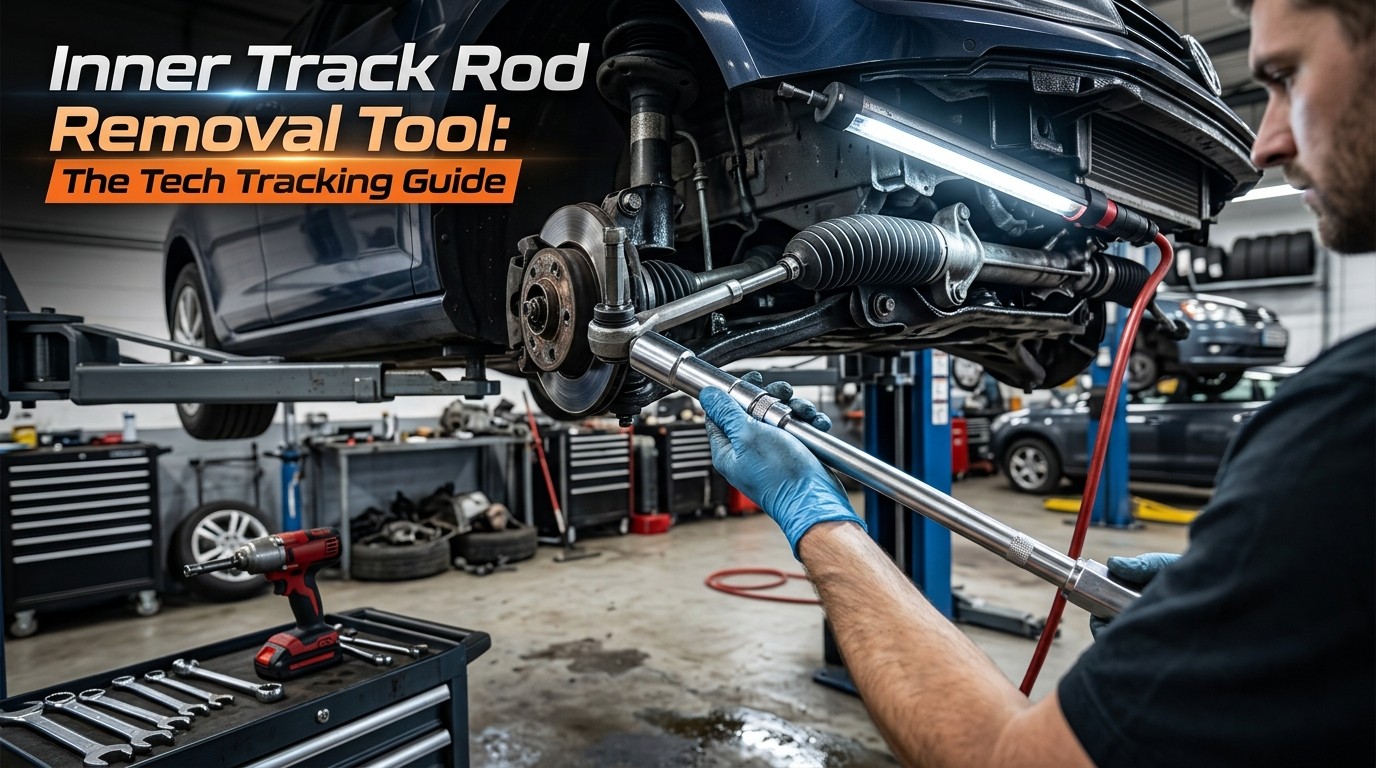
Inner Track Rod Removal Tool helps technicians remove stubborn inner tie rods with less damage, better control, and a more predictable workflow that saves time on demanding steering repairs.
When a steering repair begins, the hard part is often not the visible problem but the hidden one. The joint sits in a narrow space, surrounded by parts that limit access and increase the chance of mistakes. The right Inner Track Rod Removal Tool helps the technician stay in control instead of fighting the vehicle with brute force. That difference matters because control usually leads to cleaner work, fewer damaged parts, and less wasted time. A steady method also makes the repair easier to repeat on the next car, which is important in a busy shop where speed and reliability must work together. The best results usually come from calm preparation, not from rushing the first turn.
What the tool actually does
The job of the Inner Track Rod Removal Tool is simple to describe but important in practice. It grabs the inner joint in a way that lets the technician apply torque directly where it is needed, without slipping off the flats or stressing nearby components. That kind of contact is what makes a difficult removal feel manageable. A good tool does not just loosen a part; it helps protect the rack, preserve threads, and reduce the chance of follow-up repair. In other words, the tool is not about strength alone. It is about targeted force, proper alignment, and a setup that turns a stubborn part into a controlled removal instead of a battle.
Why access matters before force does
Technicians often discover that the real challenge is not torque but access. If the tool cannot seat properly, the whole job becomes less predictable and more frustrating. A well-chosen Inner Track Rod Removal Tool gives the operator a better chance to reach the joint without damaging seals, boots, or nearby hardware. That is why the workspace should be cleared before any effort begins. Lighting, angle, clearance, and hand position all affect the outcome. If those basics are ignored, even a strong tool can become a weak solution. Good access planning is usually what separates a clean repair from one that turns into repeated trial and error.
Preparation saves more time than forcing the issue
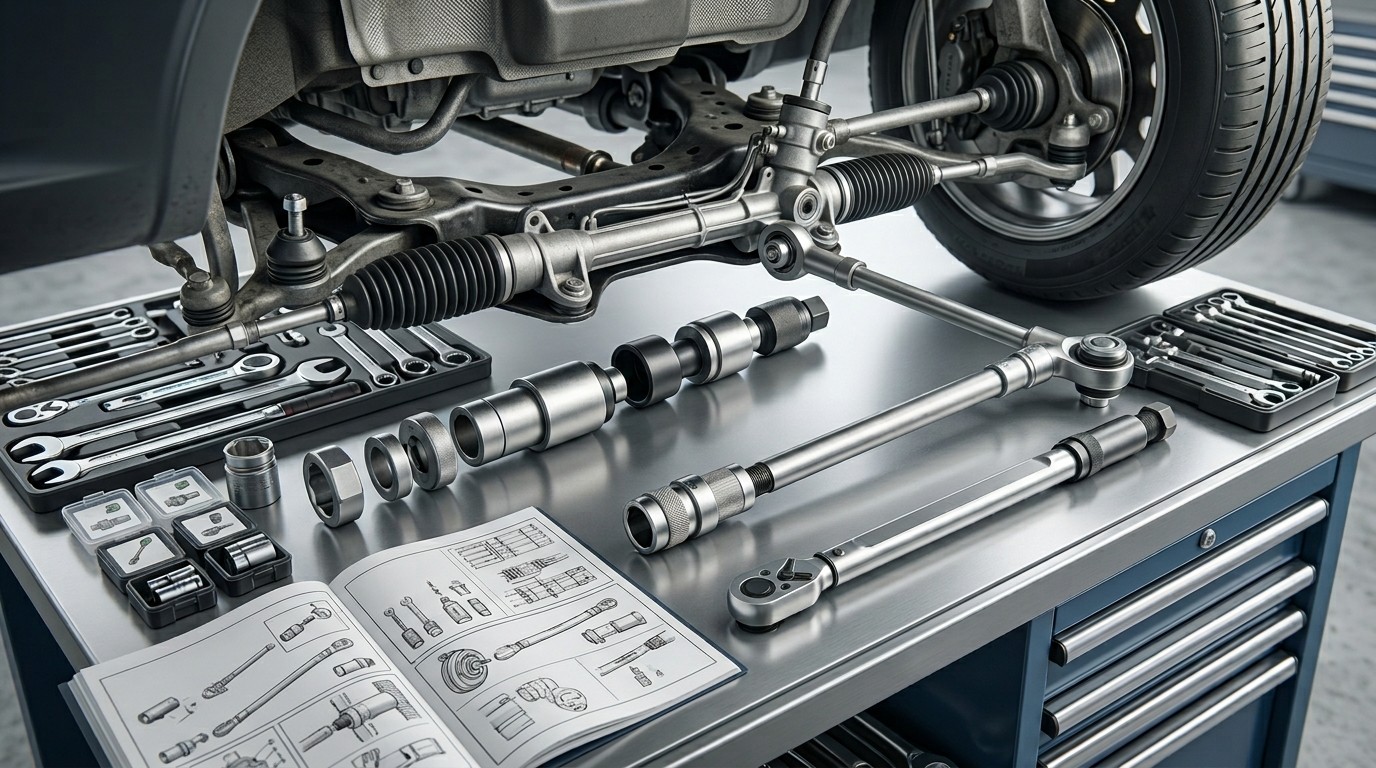
Before touching the part, the technician should stabilize the vehicle, inspect the surrounding area, and understand how the steering rack is mounted. The Inner Track Rod Removal Tool works best when the job is set up with intention. That means checking whether the correct adapter is available, whether the joint is accessible from the best angle, and whether any nearby components need to be moved first. A few minutes spent preparing can prevent a long delay later. This is one of those repairs where patience pays off quickly because every rushed step can create a new problem that was not there before.
Choosing the right fit
Fit is one of the most important details in this kind of repair. If the engagement is too loose, the tool slips. If it is too tight, it may not seat correctly. The Inner Track Rod Removal Tool should match the part closely enough to create grip without forcing the technician into awkward hand positions. That fit gives confidence and reduces the chance of rounding off the contact points. In practical terms, the tool should feel like an extension of the task rather than an obstacle. When it locks in the right way, the removal becomes more controlled, and the technician can focus on the movement instead of worrying about the connection.
Steady pressure beats sudden force
A common mistake is to think the job needs a dramatic burst of effort. In reality, the better path is controlled pressure. The Inner Track Rod Removal Tool is designed to convert the technician’s effort into a smooth, useful turn that loosens the part without shocking the assembly. Sudden jerks can damage adjacent hardware or make the tool lose contact. A steady application of torque gives the operator more awareness of how the joint is responding. That awareness matters because a mechanic who can feel the change in resistance is in a better position to stop before something bends, strips, or cracks.
Corrosion changes the strategy
Older vehicles, winter driving, and road contamination can turn a simple removal into a stubborn one. Rust and grime often make the joint feel stuck long before the real movement begins. The Inner Track Rod Removal Tool still plays the central role, but the technician may need to add cleaning, penetrating fluid, or a more deliberate setup before applying torque. The point is not to overpower the part. The point is to break the bond safely. A slow approach often works better than a forceful one because corrosion usually responds to preparation plus pressure, not pressure alone. That mindset protects the repair and the person doing it.
Protecting the rack matters
The rack is one of the expensive parts in the assembly, so the removal should always be done with protection in mind. The Inner Track Rod Removal Tool helps by keeping the force concentrated where it belongs instead of spreading stress across the steering system. That targeted force lowers the risk of damaging seals or other nearby components. It also helps the technician avoid the temptation to use the wrong hand tool as a shortcut. A damaged rack can turn a routine service into a major expense, so the best habit is to remove the inner joint cleanly and leave the rest of the system in good condition.
When the joint resists more than expected
Sometimes the part does not respond even after the setup looks correct. At that point, it is usually smarter to stop and reassess than to keep pushing harder. The Inner Track Rod Removal Tool cannot fix a poor angle, a contaminated contact point, or a setup that never seated properly. This is where experience becomes valuable because a technician learns to separate real resistance from a problem created by the setup itself. If the tool is fighting the joint in a strange way, the issue is often mechanical, not personal. The safest move is to reset the work, inspect again, and approach the part with better alignment.
Training makes the job easier to repeat
New technicians often feel more comfortable when they have a clear sequence to follow. The Inner Track Rod Removal Tool is easier to use when the process is taught in simple steps: identify the part, clear access, choose the right adapter, seat the tool, apply steady torque, and inspect the result. A repeatable method reduces hesitation and gives the technician a mental map for the repair. That matters because confidence grows from understanding, not from guessing. Once the user has seen the same process work several times, the job becomes less stressful and more efficient. Training is not just about skill; it is about building calm habits.
Consistency is what makes a shop reliable
A shop that performs steering work regularly needs more than a collection of tools. It needs a predictable method that different technicians can follow without changing the result. The Inner Track Rod Removal Tool supports that reliability because it turns a tricky service into a controlled routine. When the process is standardized, estimates become more stable, and the chance of avoidable mistakes falls. Customers may never see the tool itself, but they feel the difference in the speed and quality of the service. Reliability is not only a technical standard; it is also a customer experience issue that shapes trust over time.
Maintenance keeps the tool ready
After each job, the tool should be cleaned, checked, and stored in a safe place. A well-kept Inner Track Rod Removal Tool is more dependable on the next repair and less likely to slip at the wrong moment. Dirt, wear, and bent edges can reduce performance over time, so a quick inspection is worth the effort. Small maintenance habits protect the shop’s investment and support better outcomes on future jobs. This is one of those simple routines that pays for itself quietly. The technician who takes care of tools usually spends less time dealing with tool problems and more time finishing the actual repair.
Patience prevents expensive mistakes
The temptation to rush is strong when the schedule is full. Even so, haste is usually the cause of the mistakes that cost the most time later. The Inner Track Rod Removal Tool works best when the operator pauses long enough to confirm alignment and contact before adding more torque. That pause may feel small, but it often prevents stripped flats, damaged threads, and unnecessary rework. In a service environment, calm precision is often faster than careless speed because it avoids corrections. A few thoughtful seconds at the start can save far more time than a rushed error will ever return.
Access planning should happen first
If a technician starts turning before the space is ready, the job becomes harder than it needs to be. The Inner Track Rod Removal Tool needs enough room to engage properly, and the person using it needs enough visibility to understand what is happening. That means the surrounding area should be checked before the tool is applied. Some vehicles may require extra disassembly just to create a workable path. This is not wasted time; it is the foundation of a good repair. When access is planned well, the rest of the job tends to move more smoothly and with less frustration.
Cleaning can make a surprising difference
A dirty contact area can make the tool feel unreliable even when the tool itself is fine. Before applying the Inner Track Rod Removal Tool, it often helps to remove grime, corrosion, and loose debris from the working area. Cleaner contact improves seating, which improves control. That simple step is easy to overlook because it looks minor, but it often changes the feel of the whole repair. The technician is not just cleaning for appearance; the goal is to improve engagement and reduce slippage. In many cases, a small amount of prep makes the removal feel more secure and the result more professional.
The job becomes easier when the workflow is simple
Repairs become more manageable when every step has a clear purpose. The Inner Track Rod Removal Tool fits best into a workflow that begins with diagnosis, continues through access preparation, and ends with inspection after the part is removed. That sequence reduces mental clutter. The technician knows what comes next and is less likely to skip an important check. Simple workflows also help during busy days because they reduce decision fatigue. When the process is clear, the work feels more familiar and less stressful. That is valuable in any shop where multiple jobs compete for attention and time is always limited.
Time estimates improve when the process is repeatable
Accurate estimates matter to the entire shop, from the service advisor to the technician. The Inner Track Rod Removal Tool helps improve timing because it creates a more repeatable path through a difficult service. When the removal is predictable, the team can plan labor more realistically and reduce the risk of surprises. That does not mean every job takes the same amount of time, but it does mean the variation becomes smaller and easier to manage. A repeatable process helps the business stay calm under pressure, which is often what customers remember most after the repair is complete.
Documentation supports better future repairs
Recording what happened during the service can save time later. If the vehicle returns or a related issue appears, notes about corrosion, fit, and torque behavior can help the next technician make faster decisions. The Inner Track Rod Removal Tool is easier to use intelligently when the shop remembers how the last repair went. Documentation is not busywork when it protects future productivity. It creates a simple record of what worked, what resisted, and what required extra effort. Over time, that memory helps the team avoid repeating the same uncertainty and strengthens the shop’s internal knowledge base.
Standardization protects quality
Different technicians can still deliver the same result when the method is clear. The Inner Track Rod Removal Tool benefits from standardization because each user follows the same basic steps and checks the same critical points. That consistency helps the shop reduce variation and improve confidence in the final result. Standardization also makes training easier because new staff can learn one reliable method instead of many personal variations. In a busy environment, that stability is valuable. It keeps the work from drifting into guesswork and helps the entire team stay aligned around a shared standard for quality and safety.
Avoiding mistakes starts with respecting the part
Many repair mistakes come from assuming the joint will behave the same way as every other one. In reality, wear, corrosion, previous repairs, and access differences all change the feel of the job. The Inner Track Rod Removal Tool should be used with that variability in mind. Respecting the part means watching for signs that the setup is not ideal and adjusting before damage happens. That habit is important because a small mistake can create a large repair. A careful technician treats every stubborn joint as its own problem rather than forcing the same solution on every vehicle. That attitude usually leads to safer, cleaner work.
A failed attempt is information, not a reason to panic
If the first setup does not work, that does not mean the job is a failure. It usually means the technician has learned something useful about the angle, the grip, or the condition of the joint. The Inner Track Rod Removal Tool remains helpful because it provides a controlled way to test the repair again after the setup is corrected. That mindset keeps frustration from taking over. A calm re-check often reveals a simple problem that can be fixed in minutes. In professional work, the ability to step back and adjust is often more valuable than trying to force a result through stubbornness.
Quality tools vary, and selection matters
Not every tool performs the same way, even if the purpose looks identical. The Inner Track Rod Removal Tool should be judged by grip, fit, clearance, durability, and how well it matches the kind of work the shop actually does. A more compact design may work better in tight spaces, while a sturdier build may suit jobs that require more leverage. The point is to match the tool to the real-world repair. A shop that chooses wisely spends less time adapting to the wrong equipment and more time finishing repairs with confidence. Good selection is part of professional judgment, not just purchasing.
Confidence comes from familiar results
Technicians trust the tools that behave predictably. The Inner Track Rod Removal Tool builds confidence when it seats properly, turns smoothly, and helps the operator finish without drama. That confidence is valuable because it reduces hesitation, and hesitation often slows down the work. When a tool behaves as expected, the technician can focus on the vehicle instead of worrying about the equipment. Familiar results also reduce stress on busy days. The more often the tool works the way it should, the more likely the repair team is to use it correctly every time. Confidence, in that sense, is a practical asset.
Customers notice the outcome even when they never see the process
Most customers do not know what happened inside the wheel well, but they absolutely notice whether the vehicle is returned quickly, accurately, and without extra damage. The Inner Track Rod Removal Tool helps create that outcome by making the removal cleaner and more controlled. A service that feels organized and careful builds trust. It also reduces the chance of comeback work, which protects the shop’s time and reputation. Clear communication helps too, because the customer understands that the repair was handled with care. Good work may stay hidden, but its effect is obvious in the final result.
The right tool should simplify the next step, not complicate it
A good repair does not end with removal. The technician still has to inspect, replace, align, and verify the system. The Inner Track Rod Removal Tool should leave the assembly in a condition that makes those next steps easier. If the rack is damaged, threads are compromised, or nearby parts are stressed, the job becomes much harder than it should have been. That is why the removal phase deserves care. It is not a separate task; it is the opening part of a larger repair sequence. Clean removal protects the next step and helps the entire service feel organized.
A little structure goes a long way
Workshop work often improves when the process is treated as a sequence rather than a scramble. The Inner Track Rod Removal Tool fits naturally into a structured method because the work has a clear beginning, middle, and end. The technician identifies the issue, prepares the access, removes the part, checks the result, and moves on. That structure lowers stress and keeps the service moving. It also makes it easier to teach new staff because the job is no longer a mystery. A structured repair method is one of the easiest ways to improve both speed and confidence in the bay.
Simple systems reduce friction in any field
The same logic that helps a shop can be seen in other kinds of work too. Teams that build Essential SaaS Marketing Tools often focus on reducing repetitive effort, clarifying the next action, and keeping the workflow easy to follow. That same principle applies here because the Inner Track Rod Removal Tool works best when the process is direct and organized. When a job is supported by the right system, fewer things get lost in the shuffle. Whether the task is digital or mechanical, the best systems remove friction and help people move from problem to solution with less wasted effort.
Technology works best when it serves a clear purpose
People sometimes assume that more advanced tools automatically create better outcomes. In reality, the value comes from fit, not flash. Modern SaaS And AI Marketing Tools show the same truth: a tool is useful when it supports the workflow in a way that feels natural and saves time. The same is true for the Inner Track Rod Removal Tool, because its value lies in making a difficult mechanical task easier to control. When a tool fits the job well, the user does not have to fight the process. That is what makes the repair feel professional, steady, and efficient.
Attention to detail matters in every repeatable task
Systems that measure follow-up and response, such as Email Tracking Tools, work because they reveal what happened after the action was taken. A repair process can learn from the same idea. The Inner Track Rod Removal Tool is not just about removing a part; it is also about noticing how the joint behaved, whether the setup held, and whether the next step will be straightforward. Tracking those details makes the next repair better. Good memory is part of good craftsmanship, and even a small note about fit, wear, or resistance can make future work smoother and faster.
Reputation grows from consistent outcomes
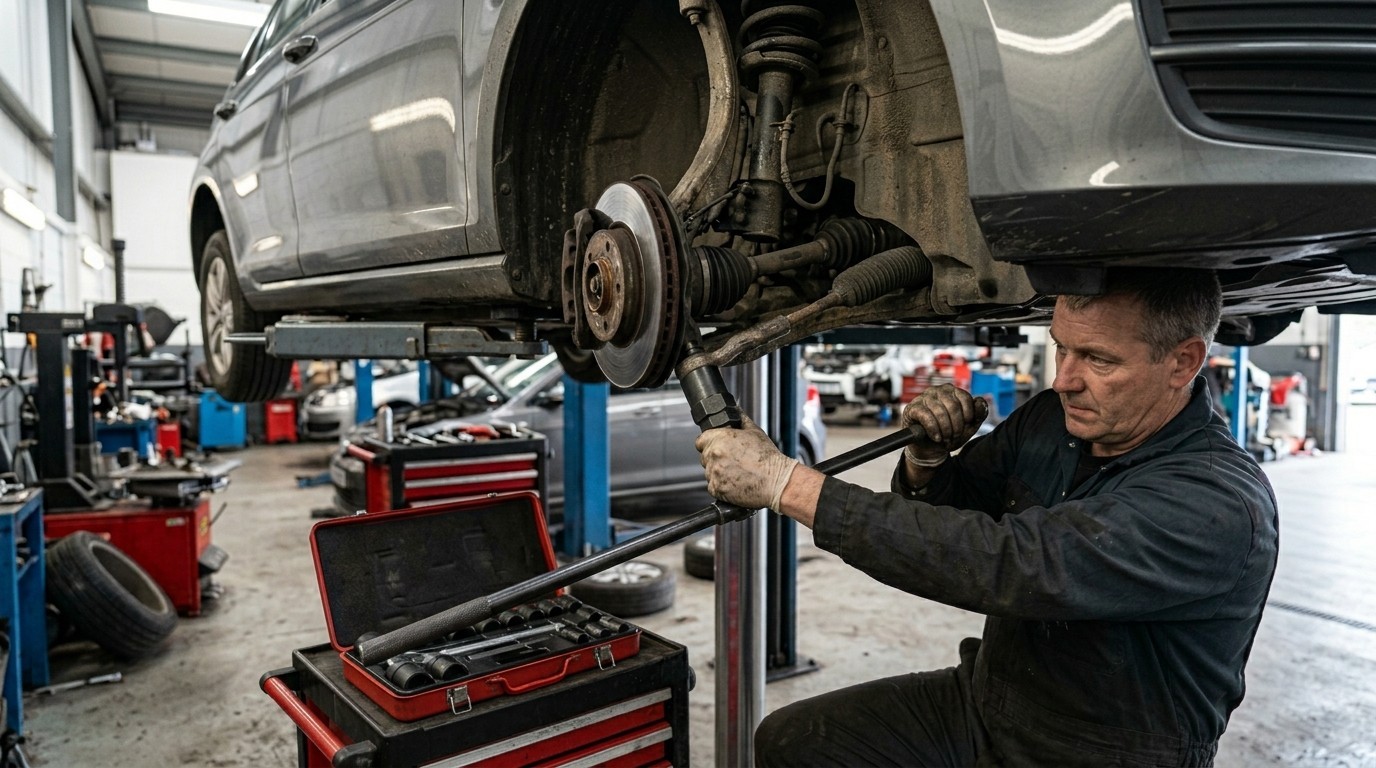
Brand Tracking Tools help businesses understand how people talk about them, but the lesson carries over to service work as well. The reputation of a shop is shaped by repeated experiences, not by one dramatic moment. The Inner Track Rod Removal Tool contributes to that reputation when it helps technicians produce a clean, reliable repair again and again. Customers may not discuss the tool, but they do talk about results, honesty, and whether the vehicle was handled carefully. Consistency is what turns a one-time customer into someone who trusts the shop for future work.
Final checks matter before the vehicle leaves
A good removal should always end with a careful inspection. The Inner Track Rod Removal Tool may solve the hardest step, but the technician still needs to confirm that the surrounding parts are sound and ready for reassembly. Final checks catch small issues before they become return visits. That might include looking for thread damage, verifying that the rack area is intact, and making sure the next repair stage can proceed without surprises. When the final inspection is done well, the whole job feels finished in the right way, with less risk and more confidence.
Conclusion
A steering repair becomes much easier when the work is approached with patience, preparation, and the right method. The Inner Track Rod Removal Tool is valuable because it gives the technician controlled leverage in a tight, difficult space while protecting the surrounding parts from unnecessary damage. When the setup is clean, the fit is correct, and the pressure is steady, the job becomes more predictable and less stressful. That predictability matters because it improves shop speed, reduces rework, and supports better customer trust. A careful repair may not look dramatic, but it is usually the kind that saves time and money in the long run. In practice, good tools and good habits are what make professional work feel smooth.
Frequently Asked Questions (FAQ)
1. What does the Inner Track Rod Removal Tool do?
It helps remove the inner steering joint by gripping it securely and allowing the technician to apply controlled torque without damaging nearby components.
2. Why is the tool better than using a generic hand tool?
The Inner Track Rod Removal Tool is designed for the tight access and specific shape of the part, which gives better grip, better control, and less risk of slipping.
3. What should I check before using it?
Check access, fit, surrounding clearance, and the condition of the joint. A clean setup makes the removal safer and more predictable.
4. Does corrosion change the process?
Yes. Rust and grime usually mean the area needs cleaning and maybe penetrating fluid before the Inner Track Rod Removal Tool will seat properly.
5. How do I know the fit is correct?
The tool should engage firmly without wobbling or forcing the operator into an awkward position. Good fit feels secure and controlled.
6. Can new technicians learn this quickly?
Yes. The Inner Track Rod Removal Tool is easier to learn when the process is taught step by step and repeated on different vehicles.
7. How do I avoid damaging the rack?
Use steady pressure, confirm alignment, and stop if the setup feels wrong. The goal is controlled removal, not brute force.
8. What maintenance does the tool need?
Clean it after use, inspect it for wear, and store it properly so it stays reliable on the next repair.
9. Why does documentation help?
Notes about fit, resistance, and corrosion help the next technician understand what happened and reduce uncertainty on future repairs.
10. What is the main benefit in the long run?
The main benefit is consistency. The Inner Track Rod Removal Tool helps the shop finish more jobs cleanly, with less damage, less rework, and more confidence.