
An AI Overviews Rank Tracking Tool helps marketers understand visibility changes, measure search performance, and make smarter content decisions as AI-generated results reshape organic discovery.
AI Overviews Rank Tracking Tool is becoming an essential topic for anyone who wants to understand how visibility changes inside modern search experiences. AI Overviews Rank Tracking Tool strategies help marketers, content teams, and SEO professionals track whether their pages are appearing, disappearing, or shifting inside AI-driven answer layers. AI Overviews Rank Tracking Tool adoption matters because search is no longer just about blue links. It is now about how content is interpreted, summarized, and surfaced in response to user intent.
AI Overviews Rank Tracking Tool planning matters for psychology too. People naturally want certainty when they invest in content, but AI search introduces a new kind of uncertainty. A page may rank well in a traditional sense and still be missed in an AI overview. AI Overviews Rank Tracking Tool thinking reduces that confusion by making visibility measurable. When a team can see what is changing, the uncertainty feels smaller and the decisions become more grounded.
AI Overviews Rank Tracking Tool decisions should not be treated as a trend chase. They are part of a deeper shift in how search visibility works. As AI answers become more common, marketers need better ways to understand placement, mention patterns, and content influence. AI Overviews Rank Tracking Tool methods help turn a vague concern into a practical optimization process.
What an AI Overviews Rank Tracking Tool Actually Does
AI Overviews Rank Tracking Tool systems measure where and how a site appears in AI-generated search experiences. AI Overviews Rank Tracking Tool data can show whether a page is included in an overview, whether a domain is cited, and whether a query triggers a visible AI answer. AI Overviews Rank Tracking Tool insights help teams understand performance beyond classic ranking reports.
AI Overviews Rank Tracking Tool workflows usually connect query tracking, visibility analysis, and content evaluation. Instead of only checking standard keyword positions, teams use the AI Overviews Rank Tracking Tool to see how answers are assembled across topics. That matters because a site can own many useful pages yet still lose attention if the search engine summarizes the topic without citing it.
AI Overviews Rank Tracking Tool usage is valuable because it reveals context. It shows whether a brand is present at the question stage, the comparison stage, or the decision stage. AI Overviews Rank Tracking Tool analysis also helps identify which pages are too thin, too broad, or too disconnected from user intent.
Why Visibility Needs a New Measurement Layer
AI Overviews Rank Tracking Tool practices exist because traditional rank tracking does not fully explain AI-generated visibility. A keyword may still look strong in classic SERP reporting, but the page may be invisible in the AI overview box. AI Overviews Rank Tracking Tool measurement closes that gap by monitoring the answer layer itself.
AI Overviews Rank Tracking Tool thinking is important because search behavior has become more conversational. Users ask broader, more specific questions. AI Overviews Rank Tracking Tool systems help teams understand how those conversational results affect exposure, traffic, and authority.
Why Marketers Need This Tool Now
AI Overviews Rank Tracking Tool adoption is important because search visibility is becoming more fragmented. A page may rank, but not get the click. A page may get cited, but not receive the same traffic. AI Overviews Rank Tracking Tool helps teams understand what is happening between ranking and action.
AI Overviews Rank Tracking Tool use also supports better planning. If a site sees a decline in traditional clicks, the issue may not be a content failure. It may be a visibility shift caused by AI-generated summaries. AI Overviews Rank Tracking Tool data gives marketers a way to separate these causes instead of guessing.
AI Overviews Rank Tracking Tool value is also psychological. When teams understand the change, they stop reacting emotionally to traffic swings and start responding strategically. That kind of clarity is useful for agencies, in-house teams, and solo SEO operators alike.
The Psychology of AI Search Visibility

AI Overviews Rank Tracking Tool matters because people trust visible results. If a brand appears in an answer layer, it feels more credible. If it disappears, the team may feel pressure or uncertainty. AI Overviews Rank Tracking Tool data can reduce this stress by turning visibility into something observable.
AI Overviews Rank Tracking Tool reporting also helps set expectations. Search is no longer a simple ranking contest. It is a dynamic presentation system. AI Overviews Rank Tracking Tool insights help users understand that success may show up in mentions, summaries, and contextual citations rather than only in position one.
AI Overviews Rank Tracking Tool thinking encourages calmer decisions. Instead of panicking when traffic changes, marketers can ask what type of visibility changed and why. That makes optimization more disciplined and less reactive.
AI Overviews SGE Tools and Their Role
AI Overviews Rank Tracking Tool buyers often compare systems with broader AI search monitoring features. AI Overviews SGE Tools may track similar visibility patterns, especially where search-generated summaries affect user behavior. AI Overviews Rank Tracking Tool and AI Overviews SGE Tools overlap because both aim to reveal how AI-shaped results influence discovery.
AI Overviews Rank Tracking Tool users should look at how a platform tracks query coverage, source citations, and answer presence. AI Overviews SGE Tools are useful when teams want a broader view of experimental or AI-assisted search behavior. AI Overviews Rank Tracking Tool decisions become easier when the buyer knows exactly what the platform measures and what it does not.
AI Overviews Rank Tracking Tool evaluation should ask whether the tool captures the right query set. If the queries are too narrow, the insights will be shallow. If the queries are too broad, the insights may be noisy. AI Overviews Rank Tracking Tool systems are best when they match the site’s actual content strategy.
How Rank Tracking Changes in an AI Era
AI Overviews Rank Tracking Tool use is different from classic keyword tracking. Traditional rank tracking focused on position. AI Overviews Rank Tracking Tool work focuses on presence, citation, and visibility within an answer structure. That difference matters because the content may no longer compete only for a single organic slot.
AI Overviews Rank Tracking Tool analysis often includes intent grouping, topical mapping, and answer coverage. A brand may discover that it appears for informational questions but not for transactional ones. AI Overviews Rank Tracking Tool reports can help separate these patterns so the team can adjust content more intelligently.
AI Overviews Rank Tracking Tool systems also help detect volatility. Search behavior may shift quickly when query models or answer logic changes. AI Overviews Rank Tracking Tool monitoring creates a record of those changes so teams can respond with evidence instead of assumptions.
Traditional Tracking vs AI Overviews Tracking
| Area | Traditional Rank Tracking | AI Overviews Rank Tracking Tool |
|---|---|---|
| Primary focus | Position in organic results | Visibility in AI-generated answers |
| Main question | Where does the page rank? | Is the page cited or surfaced? |
| Data type | Keyword rankings | Query presence and answer coverage |
| Strategy output | Improve ranking signals | Improve answer relevance and authority |
| Limitation | Misses AI answer behavior | Requires new interpretation |
AI Overviews Rank Tracking Tool users benefit when they understand this difference clearly. It prevents old metrics from being applied to a new visibility model.
Practical Use Cases for SEO Teams
AI Overviews Rank Tracking Tool workflows can support multiple teams. Content strategists use the data to identify gaps. SEO managers use it to prioritize fixes. Analysts use it to spot trends. AI Overviews Rank Tracking Tool reports can also help agencies explain performance changes to clients in a more meaningful way.
AI Overviews Rank Tracking Tool data is especially useful when traffic changes are not explained by ranking loss alone. A page may still rank well, but the click-through behavior may shift because users get the answer immediately. AI Overviews Rank Tracking Tool insights help teams interpret that change with more confidence.
AI Overviews Rank Tracking Tool also helps with content planning. If certain topics appear in AI answers more often, the team can build supporting content around those topics. That leads to a more deliberate content architecture.
Psychological Benefits of Better Tracking
AI Overviews Rank Tracking Tool systems do more than measure visibility. They reduce mental noise. When a team knows what is happening, it is less likely to overreact to short-term drops. AI Overviews Rank Tracking Tool clarity helps professionals stay focused on long-term improvement rather than emotional guesswork.
AI Overviews Rank Tracking Tool reporting also builds trust inside teams. Writers, SEOs, and managers can align around shared evidence. That shared evidence makes strategic conversations more productive.
AI Overviews Rank Tracking Tool adoption can also support confidence during experimentation. If a team knows how to measure AI visibility, it is easier to test content changes without fear of losing control.
Free Claude Rank Tracking Tools and Their Place
AI Overviews Rank Tracking Tool research often leads people to alternatives and testing tools. Free Claude Rank Tracking Tools may be attractive when teams want to prototype workflows or explore query analysis without a large budget. AI Overviews Rank Tracking Tool buyers should treat free tools as starting points rather than full replacements for robust monitoring.
AI Overviews Rank Tracking Tool users can learn from free options, especially when testing prompt logic, query grouping, or reporting formats. Free Claude Rank Tracking Tools may help early-stage teams understand what data they want before they invest in a more complete platform.
AI Overviews Rank Tracking Tool decisions become smarter when free tools are used to validate the workflow first. That way, the final purchase is based on real use, not just features on a sales page.
What to Look for in a Good Tool
AI Overviews Rank Tracking Tool buyers should focus on accuracy, query coverage, reporting clarity, and ease of interpretation. AI Rank Tracking Tool value depends on whether the data helps the team make better decisions. A dashboard is only useful if it produces insights the team can act on.
AI Rank Tracking Tool evaluation should include how often the tool updates data, how well it tracks the right query types, and how clearly it shows changes over time. AI Rank Tracking Tool quality is also affected by whether the interface makes the findings easy to understand.
AI Rank Tracking Tool users should prefer tools that make the answer layer visible without adding unnecessary complexity. Simplicity is a strength when the goal is clear decision-making.
Tool Evaluation Checklist
| Factor | Why It Matters |
|---|---|
| Accuracy | Avoids false conclusions |
| Query tracking depth | Covers real user questions |
| Citation visibility | Shows answer-layer presence |
| Historical data | Reveals change over time |
| Ease of use | Supports fast interpretation |
| Reporting clarity | Helps teams act on insights |
AI Rank Tracking Tool buyers can use this checklist before committing to any platform.
Query Mapping and Content Strategy
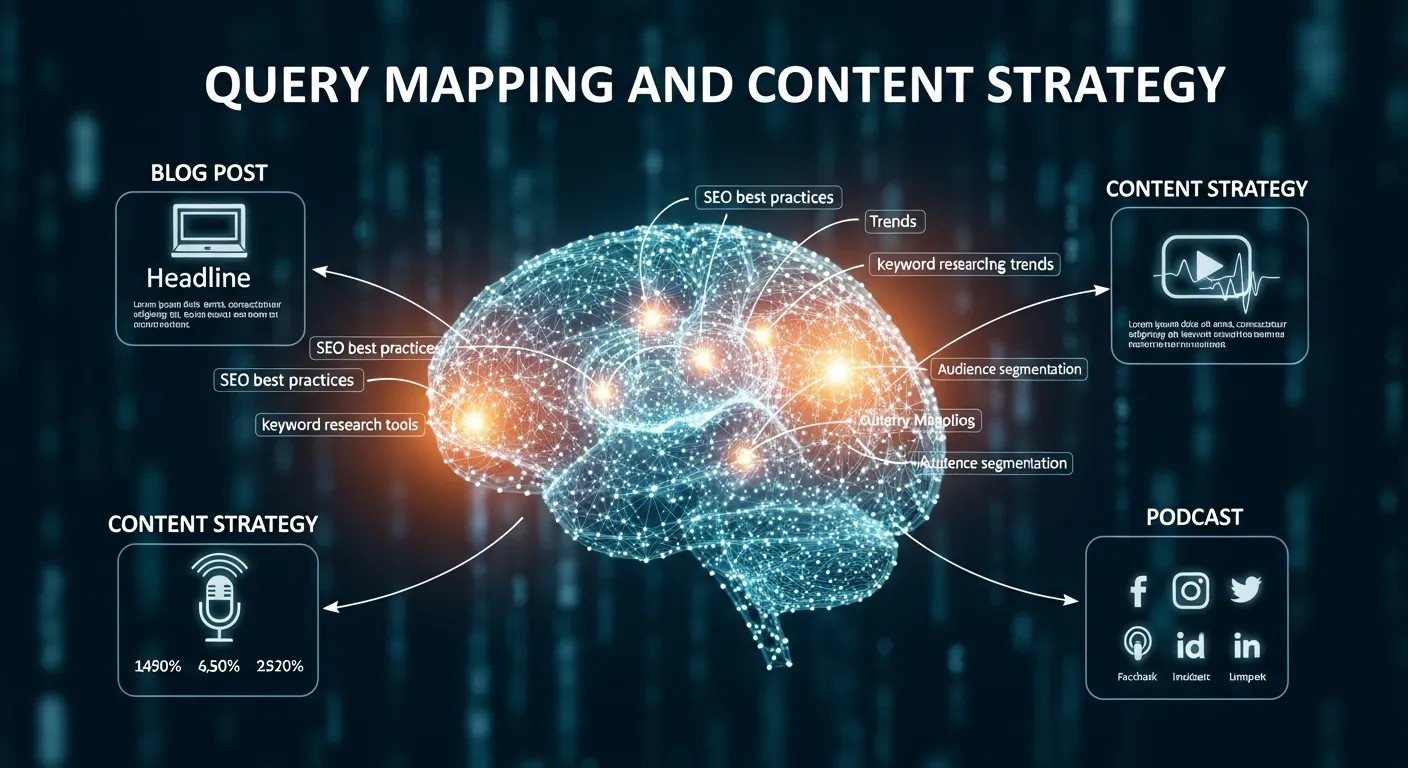
AI Overviews Rank Tracking Tool analysis becomes more valuable when it is tied to content mapping. A site should know which pages support which questions. AI Rank Tracking Tool reports can show whether the right pages are visible for the right topics.
AI Rank Tracking Tool planning also helps identify content clusters that need stronger support. If a core topic is missing from the answer layer, the team may need stronger definitions, better structure, or more authoritative coverage. AI Rank Tracking Tool insights can reveal those gaps.
AI Rank Tracking Tool work is most effective when the site treats visibility as a system. Pages, internal links, and topic depth all contribute to whether the content is useful enough to appear in AI results.
The Role of Page Structure
AI Rank Tracking Tool usage often shows that structure matters as much as topic choice. Pages that are clear, organized, and direct are easier for models to interpret. AI Rank Tracking Tool users should pay attention to headings, summaries, and logical section flow.
AI Rank Tracking Tool optimization is not about stuffing content with keywords. It is about making the page easier to understand. The more clearly a page answers a question, the more likely it is to be useful in AI-generated summaries.
AI Rank Tracking Tool results often improve when content is structured with intent. That means the page should lead the reader from problem to explanation to decision.
How Navigation Supports Discovery
AI Overviews Rank Tracking Tool strategy also benefits from stronger site navigation. If content is buried too deeply, it may be harder for search systems to understand the relationship between pages. AI Rank Tracking Tool users should think beyond single pages and consider the larger information architecture.
AI Rank Tracking Tool planning can be improved with tools that support cleaner navigation. A Drop Down Info Plugin WordPress solution may help organize content blocks in a simpler way. AI Overviews Rank Tracking Tool teams can use that kind of structure to reduce clutter and improve readability.
AI Rank Tracking Tool performance may also be affected by broader menu design. If visitors can move through the site easily, that often supports better engagement signals and a clearer content experience.
Mega Menus and Large Content Sites
AI Overviews Rank Tracking Tool strategy becomes more important as content libraries grow. A Mega Menu Plugin WordPress setup can help large sites guide users to the most useful sections. AI Rank Tracking Tool users should think about whether navigation helps the site communicate topical authority.
AI Rank Tracking Tool readers should not assume that a larger menu is automatically better. The menu has to be readable, organized, and responsive. AI Overviews Rank Tracking Tool performance depends on content clarity, not just visual scale.
AI Rank Tracking Tool thinking applies here because site structure influences how both users and search systems interpret the site. Good navigation supports good understanding.
Comparing Signals That Matter
AI Rank Tracking Tool users should identify the signals that matter most for their goals. Those may include citations, answer inclusion, topical relevance, click behavior, or query category coverage. AI Rank Tracking Tool reports are only helpful when they align with the business objective.
AI Overviews Rank Tracking Tool analysis should not become a spreadsheet hobby. The data should help prioritize action. If a topic is visible but not converting, the team needs a different fix than if the topic is invisible entirely.
AI Rank Tracking Tool users gain the most value when they interpret results in context. Numbers alone do not create insight. Context does.
Questions to Ask Before Launching Tracking
| Question | Purpose |
|---|---|
| Which queries matter most? | Focus |
| Which pages should appear? | Mapping |
| Which topics need visibility? | Prioritization |
| Which competitors appear? | Benchmarking |
| Which changes happened over time? | Trend analysis |
AI Rank Tracking Tool teams should answer these questions before building their reporting workflow.
How to Interpret Results Calmly
AI Overviews Rank Tracking Tool adoption can trigger anxiety if teams expect perfect stability. But search systems are dynamic. AI Rank Tracking Tool data should be read as a pattern, not as a verdict.
AI ank Tracking Tool professionals should avoid overreacting to one snapshot. A small shift may mean the query landscape changed, not that the site failed. AI Overviews Rank Tracking Tool reporting works best when trends are reviewed over time.
AI Rank Tracking Tool interpretation becomes more useful when the team looks at the reason behind the result. Was the page unclear? Was the topic too broad? Was the search engine answering the question directly? AI Rank Tracking Tool thinking helps the team ask better questions.
Best Practices for Ongoing Monitoring

AI Overviews Rank Tracking Tool monitoring should be consistent. One-off checks may catch a moment, but they do not reveal patterns. AI Rank Tracking Tool users should set regular review cycles so that visibility changes can be compared accurately.
AI Rank Tracking Tool best practices include grouping queries by intent, tracking key topic clusters, and reviewing pages that are most important to the business. AI Rank Tracking Tool systems become much more useful when they are tied to clear objectives.
AI Rank Tracking Tool users should also document changes in content and navigation. When content is updated, the visibility outcome may shift. Tracking both the change and the result makes learning more accurate.
Why Content Quality Still Matters
AI Rank Tracking Tool data may feel technical, but the underlying principle remains simple: useful content has an advantage. AI Rank Tracking Tool visibility often improves when a page is clearly written, well organized, and genuinely helpful.
AI Rank Tracking Tool success is not only about signals. It is also about substance. Pages that answer questions fully and efficiently tend to perform better in answer-driven environments.
AI Rank Tracking Tool users should think of content quality as the foundation and tracking as the feedback loop. Without the foundation, tracking only exposes problems. With the foundation, tracking becomes a growth tool.
Conclusion
AI Rank Tracking Tool is becoming a must-know part of modern SEO because search visibility now extends beyond traditional rankings. AI Rank Tracking Tool helps teams understand whether their content appears in AI-generated answers, how often it is cited, and which topics are losing or gaining visibility. That kind of insight reduces confusion and helps marketers make decisions with more confidence. AI Rank Tracking Tool thinking is valuable because it turns an abstract shift in search behavior into something measurable and actionable. Teams can use the data to improve content structure, refine topic coverage, and prioritize the pages that matter most. AI Rank Tracking Tool use also supports calmer decision-making by replacing guesswork with evidence. In a search environment that changes quickly, the best advantage is clarity. AI Rank Tracking Tool gives marketers that clarity so they can adapt with purpose instead of reacting with uncertainty.
Frequently Asked Questions (FAQ)
1. What is an AI Overviews Rank Tracking Tool?
It is a tool or workflow used to measure how content appears inside AI-generated search answer layers and related visibility formats.
2. Why do I need one?
You need one because traditional ranking reports do not fully explain visibility inside AI-powered search results.
3. Is this different from normal rank tracking?
Yes. Normal rank tracking focuses on position, while an AI Overviews Rank Tracking Tool focuses on answer-layer visibility and citations.
4. Can AI Overviews SGE Tools help with this?
Yes. AI Overviews SGE Tools can support similar monitoring patterns, especially for AI-shaped search results and visibility analysis.
5. Are free tools enough?
Free Claude Rank Tracking Tools can be useful for testing or learning, but they may not replace a full monitoring system.
6. What should I track first?
Start with the highest-value queries, the most important pages, and the topics where visibility matters most.
7. Does page structure matter?
Yes. Clear structure, headings, and direct answers can make content easier to interpret in AI-driven search results.
8. Can site navigation affect visibility?
It can help indirectly by improving content organization and making topic relationships easier to understand.
9. How often should I review the data?
Review it on a regular schedule so you can see patterns instead of reacting to one-off changes.
10. What is the biggest takeaway?
The biggest takeaway is that search visibility is changing, and the best response is to measure it clearly and optimize with purpose.


